
Key Takeaways
- The average garage door lasts 15–30 years, depending on material, climate, installation quality, and how well it’s maintained over time.
- Regular maintenance is the #1 factor in longevity, including lubrication, hardware tightening, cleaning tracks, and annual professional tune-ups.
- Garage door openers typically last 10–15 years, and replacing or upgrading them can extend your entire system’s performance and safety.
- Climate and daily usage heavily impact lifespan; extreme temperatures, humidity, or high-cycle use can wear out doors and openers faster.
- Partnering with professionals like ABC Door Company ensures proper installation, regular maintenance, and safe, efficient operation for years to come.
Are You Making These Costly Mistakes?
When was the last time you thought about your garage door maintenance—before it started creaking, sticking, or failing to open smoothly? Most homeowners and business owners install their garage doors and don’t look back until something goes wrong.
Unfortunately, this “set it and forget it” approach leads to premature wear and expensive repairs. By learning about the average lifespan of a garage door and what influences it, you can avoid common pitfalls and extend the life of your investment. From neglecting simple maintenance to ignoring the small warning signs—like unusual sounds or sluggish door opener responses—these overlooked issues can quickly add up.
For both residential garage door owners and those managing commercial properties, understanding what can go wrong (and how to prevent it) is essential. With the right knowledge and a commitment to consistent inspections, you’ll maximize curb appeal, safety, and savings. Ready to discover the keys to a longer-lasting garage door? Let’s get started.
What You’ll Learn About Garage Door Lifespan and Maintenance
- Factors that impact garage door lifespan
- Average lifespan of residential and commercial garage doors
- Maintenance tips to extend the life of your garage door
- When to repair or replace your garage door or garage door opener
- Expert advice for optimal performance
What Is the Average Garage Door Lifespan?
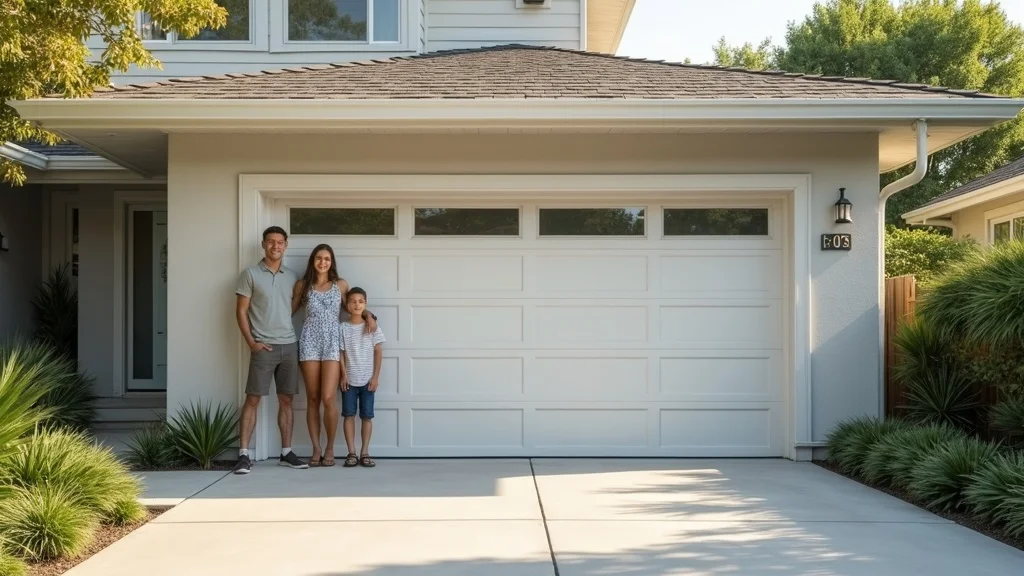
The average garage door lifespan often ranges between 15 to 30 years, depending on a variety of factors including materials, frequency of use, and level of garage door maintenance. Unlike many other parts of your home, the garage door doesn’t just sit idle; it handles a significant load with every open and close cycle.
For residential garage doors, the life expectancy is measurable in both years and the number of cycles (one open and close equals one cycle). Most residential doors are rated for 10,000 to 20,000 cycles, which could translate to 15-20 years of daily use. In commercial settings where usage is heavier, that number can shift downward quickly.
Many factors influence the lifespan of a garage door, such as material, climate, and the quality of installation. Homeowners who invest in quality doors and regular maintenance tend to see their doors last longer, while those who ignore worn-out door openers or let small problems linger may need to replace their garage door much sooner.
Understanding the difference between residential and commercial garage doors, as well as recognizing the warning signs of potential failures, is key in protecting your investment for years to come.
Defining the Lifespan of a Garage Door: Key Terms and Metrics
Before we delve deeper, it’s important to understand what we mean by “garage door lifespan.” Manufacturers measure this lifespan not just in years, but in cycles. One cycle is counted every time you open and close the door once. Most standard garage doors are rated for about 10,000 cycles, but higher-end replacements or commercial versions can exceed 25,000 cycles.
Your actual life expectancy depends on how often you use your door. If you use your garage door four times a day, 10,000 cycles translates into about seven years, but with less frequent openings, your door will last longer.
Other important terms include residential garage versus commercial garage doors. Residential installations are typically subjected to fewer, lighter cycles than commercial ones, which encounter more daily wear and tear. Material matters too—steel, wood, aluminum, and fiberglass garage doors all perform differently over time. Understanding these definitions is vital to making decisions on whether to repair, replace, or upgrade your garage door system.
Average Lifespan of Residential Garage Doors vs. Commercial Garage Doors
Residential garage doors generally enjoy a longer lifespan compared to their commercial counterparts, largely due to less frequent use and lighter loads. Most residential doors, with regular maintenance and reasonable usage, will last 15–30 years. Commercial garage doors, exposed to higher daily cycles and often heavier equipment, might last between 10 and 20 years—even with diligent care. The actual duration will depend on daily operational demands and how consistently maintenance is performed.
Material selection, the quality of the door opener, and the level of exposure to weather conditions all play significant roles. For business owners, understanding their unique usage profile and partnering with a reliable door company for routine assessments can make all the difference in maximizing operational life. Whether you own a residential garage or manage a high-traffic business, knowing these averages helps you better plan for both repairs and replacement investments.
| Comparison Table: Lifespan of Different Garage Door Materials | |||
| Material | Average Lifespan (years) | Maintenance Needs | Special Considerations |
|---|---|---|---|
| Steel | 20–30 | Low to Moderate | Resistant to warping and cracking, may rust if not maintained |
| Wood | 15–20 | High | Beautiful but requires frequent painting/sealing; susceptible to rot |
| Aluminum | 20–25 | Low | Lightweight, won’t rust, can dent easily |
| Fiberglass | 15–30 | Low to Moderate | Resistant to moisture and insects, can fade/crack with sun exposure |
Key Factors Affecting Garage Door Lifespan
The true life expectancy of your garage door depends not just on cycles or average lifespan estimates, but on a variety of real-world influences. From the quality of your garage door opener and how often you use it to environmental challenges like wind and rain, and even the skills of the original installer—every detail counts. By learning about these factors, you can proactively address vulnerabilities and extend the life of your garage door system.
Let’s explore these in more detail, so you can diagnose potential issues before they turn into costly repairs or full replacements. Staying informed will ensure your garage door remains a reliable part of your home or business for as long as possible.
Garage Door Opener: Its Role and Lifespan Impact
Your garage door opener is more than just a convenience—it’s the engine driving the operation of your entire system. A high-quality, well-maintained opener can extend the lifespan of your garage door by minimizing strain on door springs and reducing overall wear and tear. Most garage door openers last between 10 and 15 years with regular maintenance, although advances in technology may spur earlier upgrades for better efficiency or security.
If you notice the opener lagging, making unusual sounds, or failing to open the door smoothly, it may be time to call a door company for an inspection. Investing in a new opener, especially models with advanced safety features and smart controls, can add convenience, quietness, and years of life to your garage door system. Consistent care of the opener aligns with extending both its own usable years and the cumulative lifespan of your garage door.
Garage Door Maintenance: Why It Matters for Your Garage Door Lifespan
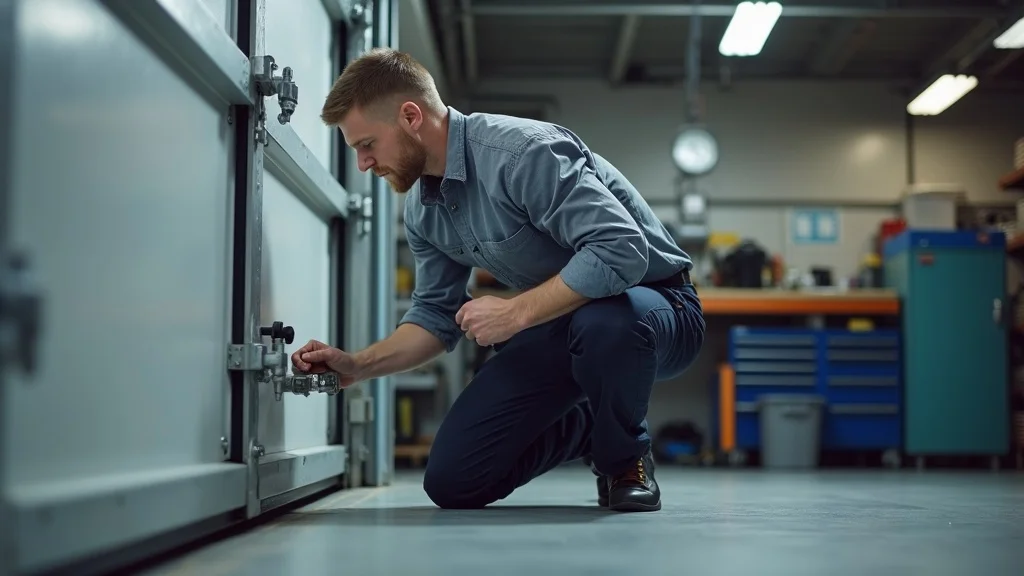
Regular maintenance is the single most important factor for increasing the life expectancy of a garage door. Simple actions such as lubricating moving parts, checking door springs, tightening hardware, and cleaning the tracks can prevent larger issues that lead to premature breakdowns. When maintenance is neglected, rollers, torsion springs, and even weather seals can wear out quickly, straining the door opener and putting undue stress on every component.
Homeowners who perform visual inspections and address issues quickly often enjoy significantly longer average lifespans for their garage doors. Professional tune-ups—recommended annually—ensure that hidden problems don’t go unnoticed, keeping both the garage door and opener safe and functional. With the right door maintenance plan, your door will continue to be a dependable, secure, and attractive part of your home for many years.
Climate, Usage, and Installation Quality: How These Influence Garage Door Life Expectancy
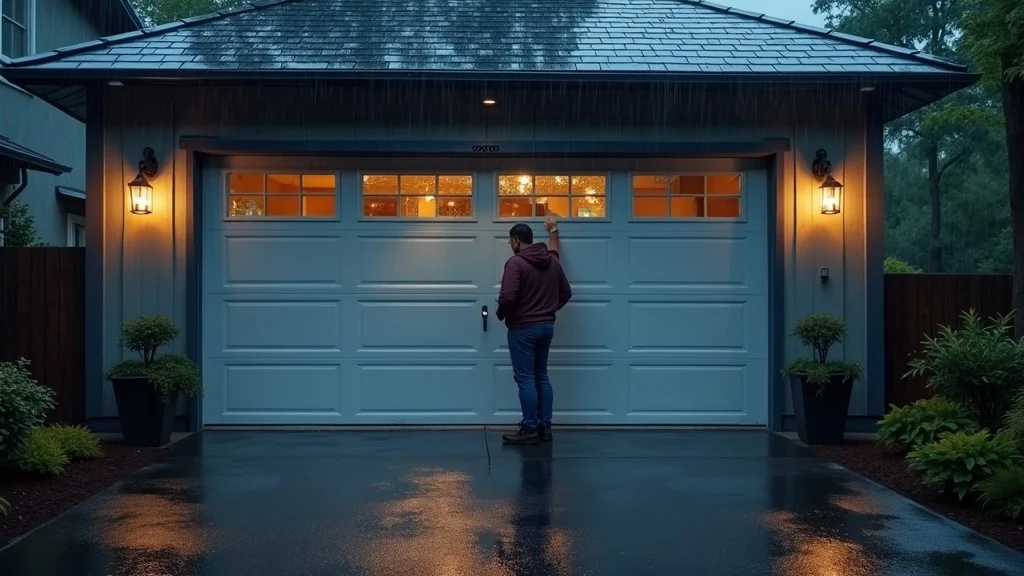
Where you live and how you use your garage door profoundly impact its longevity. In areas with extreme temperatures, frequent storms, or high humidity, garage doors face additional challenges. Moisture may lead to rust (in steel garage door panels) or cause wooden doors to warp or rot. Even aluminum and fiberglass, known for durability, are susceptible to fading and cracking in constant sunlight.
The number of daily cycles is another critical factor—homes with multiple drivers or high-traffic commercial settings naturally experience more wear. Finally, the quality of installation matters: a poorly aligned or unbalanced door places extra stress on openers, springs, and panels. Always rely on a trusted door company like ABC Door Company to ensure your door is professionally installed—this sets the stage for a long and reliable lifespan for your garage door.
How to Extend the Life of Your Garage Door
- Regular garage door maintenance schedules
- Lubrication and cleaning tips
- Professional inspections: When and why
- Upgrades for garage door openers and parts
Building a routine around your garage door is the best way to ensure a long, functional life for this essential part of your home or business. Start by scheduling monthly inspections—look for signs of wear such as frayed cables, loose hardware, or rust spots on steel components. Clean the tracks and lubricate all moving parts, including rollers and hinges, to minimize friction and reduce the risk of unexpected breakdowns.
For true peace of mind, invest in annual professional tune-ups. Trained technicians can spot and prevent potential problems that the untrained eye might miss, adjusting spring tension and checking all safety mechanisms. Consider upgrading older openers for improved efficiency, quieter operation, and added features like smart connectivity. Modern garage door openers are available in both 1/2 hp and 3/4 hp models; choosing the right strength can ease the load on your door and extend its lifespan. With simple, consistent care and timely upgrades, you can maximize the usable years of your garage door and protect your investment in the long run.
When Should You Replace Your Garage Door?
Even the most durable garage doors eventually need to be replaced. Recognizing the signs early can prevent inconvenient failures and sudden safety risks. If your garage door is approaching or exceeding its average lifespan, or if you notice persistent problems—such as difficulty opening and closing, excessive noise, or sagging panels—it may be time for a replacement. Frequent repairs or persistent issues with the garage door opener are another sign that a lasting solution is needed.
Many homeowners delay replacing their garage door, but an outdated or damaged door can harm both curb appeal and home security. Investing in a new system not only increases property value, but it can also realize immediate improvements in safety and daily convenience. Review the following sections for more detailed advice on when to replace your garage door, and how to make the best decision between repairing and replacing.
Telltale Signs Your Garage Door Needs Replacing
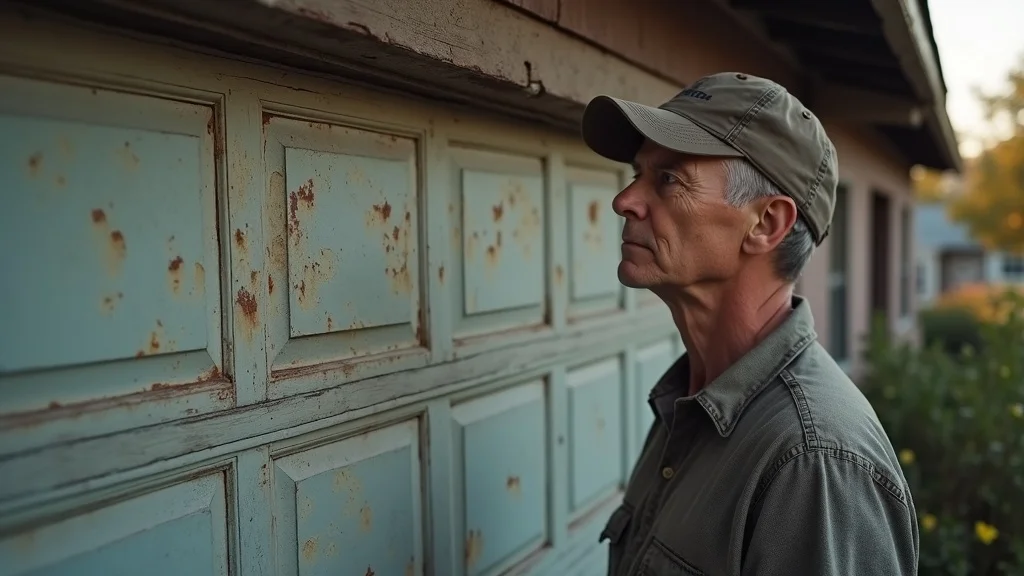
Is your garage door making grinding or squeaking noises during operation? Are there visible dents, cracks, or peeling paint? When door openers struggle, or the door shows significant wear and tear despite regular maintenance, it’s a strong indicator that replacement is on the horizon.
Additional red flags include sagging sections, slow response from your door opener, or the door coming off its tracks. When multiple components—like springs, cables, or rollers—begin to fail simultaneously, investing in a new door is often safer and more cost-effective than continuing repairs.
The average life expectancy for a residential garage door is about 15–30 years, but harsh weather conditions, frequent use, and missed maintenance can accelerate aging. If your door requires more than one major repair in a year or continues to detract from the look of your home, prioritizing replacement will restore reliability, beauty, and safety.
Curb Appeal and Safety: The Benefits of Replacing Your Garage Door
A new garage door is more than just an upgrade in appearance—it’s a significant investment in your home’s curb appeal and overall safety. An aging door with dents, rust, or faded finishes will drag down the exterior look of even the most beautiful house, impacting resale value and first impressions. Modern garage doors, especially insulated and SMART-enabled options, provide improved energy efficiency, security, and soundproofing, making your home not only look better but feel safer, too.
From advanced locking mechanisms to safety sensors that detect obstacles, modern garage door systems also substantially reduce the risk of accidents and break-ins. Improving curb appeal isn’t just about looks; it translates into a practical benefit for daily living and future door sales or property value. If safety, convenience, and a fresh appearance matter to you, replacing your garage door brings you all these rewards quickly and efficiently.
How to Choose Between Repairing and Replacing a Garage Door Opener
When deciding whether to repair or replace your garage door opener, consider age, reliability, and the cost of repairs. If your opener is past its expected 10–15 year lifespan or frequently breaks down, investing in a new model is often smarter. Modern openers provide increased safety (thanks to rolling-code technology), quieter use, and compatibility with smart home systems.
However, for minor issues—such as worn belts, misaligned sensors, or depleted batteries—repair may be the right move, especially if the opener is still relatively new and the rest of the door operates smoothly.
Always consult with a professional door company for an honest assessment. If you’re experiencing frequent malfunctions, investing in a new opener can save money (and headaches) over time. Remember: a reliable garage door opener reduces wear on door springs and panels, contributing to the extended life of your garage system overall.
People Also Ask: Garage Door Lifespan Insights
How often should you replace your garage door?
Most homeowners need to replace their garage door every 15 to 30 years, depending on usage, material, and maintenance quality. If your door is over 20 years old or requiring frequent repairs, it’s wise to consider replacement for improved safety, reliability, and a boost in curb appeal.
Is it worth repairing a 20 year old garage door opener?
Repairing a garage door opener past 20 years old often isn’t cost-effective. Older openers may lack modern safety features and are more prone to breakdowns. Upgrading to a newer model usually means better performance, added safety, and peace of mind—especially if your opener requires ongoing repairs.
Expert-Recommended Maintenance Tips for Maximum Garage Door Lifespan
- Monthly visual inspections
- Annual professional tune-ups
- Weatherproofing your garage doors
Staying on schedule with routine maintenance is the simplest way to maximize your garage door lifespan. Conduct monthly visual checks for frayed cables, loose bolts, rust, or any misalignment. Yearly tune-ups with a reliable technician from ABC Door Company will ensure optimal performance, safety sensor alignment, and proper spring tension. Redoubling your weatherproofing efforts, especially before winter or severe weather, shields your investment from the elements and prevents moisture damage or premature aging.
Short instructional video showing a professional performing a visual and operational inspection of a garage door system, demonstrating safe steps for DIY assessments and explaining clear signs when professional maintenance is needed.
FAQs: Garage Door Lifespan and Maintenance
What affects the lifespan of a garage door the most?
Several factors—such as maintenance, material, climate, frequency of use, and installation quality—directly impact how long your garage door will last. Regular care and professional checks extend the average lifespan significantly.
Can I extend my garage door’s life expectancy with DIY maintenance?
Yes, simple tasks like lubricating moving parts, cleaning tracks, and tightening hardware help extend the life of your garage door. However, annual professional inspections catch deeper issues that DIY checks may miss.
Do garage doors or garage door openers fail more often?
Garage door openers typically have a shorter lifespan—about 10–15 years—while doors themselves often last 15–30 years. Regular opener replacement or upgrades keep the whole system running smoothly and safely.
How does professional maintenance benefit my garage door lifespan?
Professional maintenance detects problems early, ensures correct balance and spring tension, and keeps all safety features functional. This greatly increases both safety and longevity, and can help prevent major breakdowns or replacements.
Expand Your Garage Door’s Lifespan by Contacting ABC Door Company for All Your Garage Door Maintenance Needs
At ABC Door Company, we provide expert garage door maintenance and repair services throughout New Mexico, keeping your doors operating safely and efficiently year-round. To schedule installation, maintenance, or repair please call us at 505-884-1166.
A well-maintained garage door protects your property and enhances curb appeal—don’t leave its lifespan to chance! Commit to regular care and expert help for the best results.
About the Author
Nathan Schafer is the President, General Manager, and Co-Owner of ABC Door Company. ABC Door Company has over 50 years experience in providing garage door solutions to homeowners and business owners throughout New Mexico.